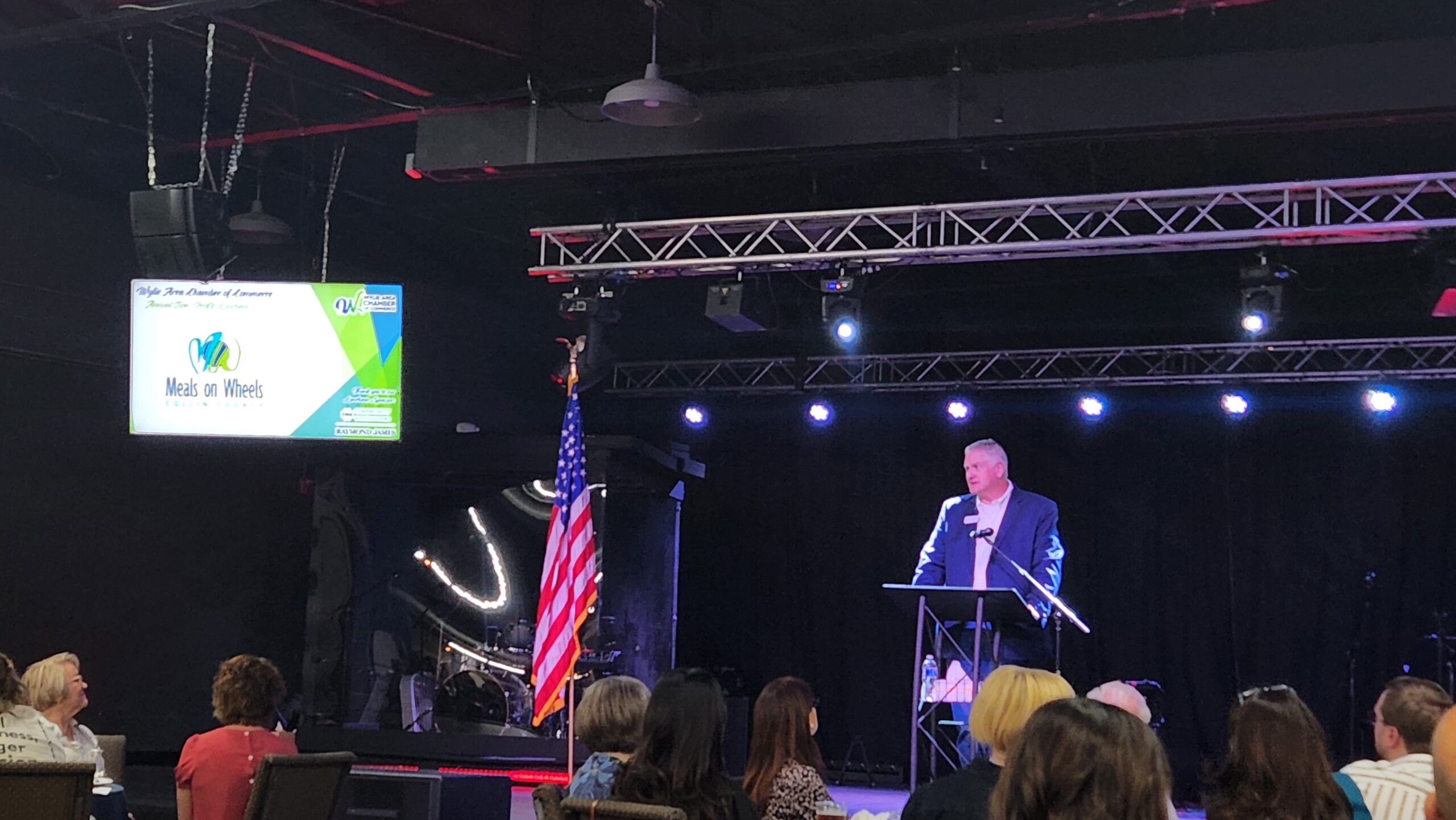
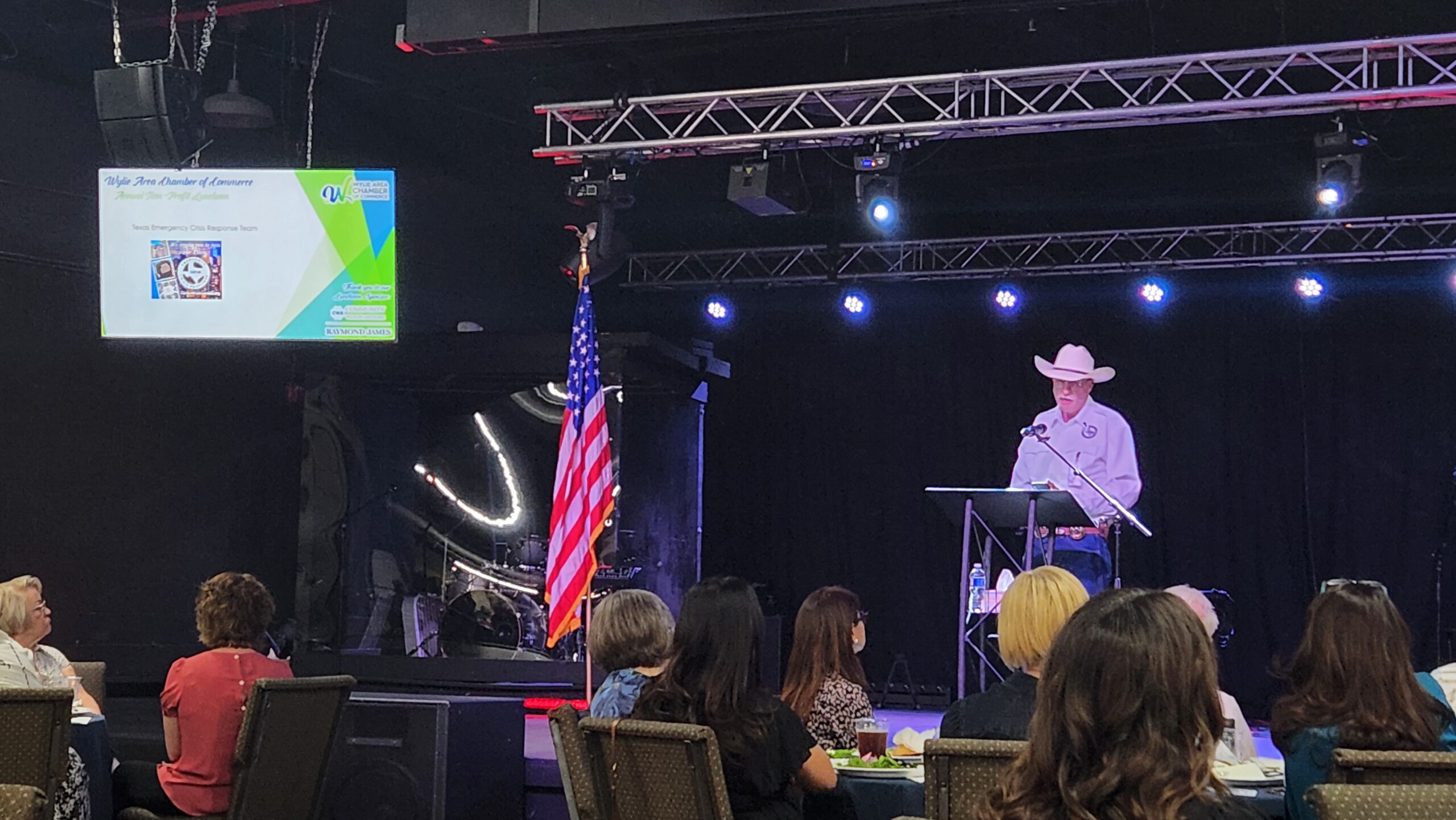
Creative Impact Solutions recently had the opportunity to attend the Wylie Chamber of Commerce Nonprofit Luncheon, bringing together nonprofit leaders, community advocates, and local business professionals for conversations around growth, collaboration, and the realities organizations face while serving their communities.
For CIS, participating in events like this is about much more than networking. It gives our team an opportunity to listen to the people leading organizations every day, understand where challenges are emerging, and stay connected to the communities that technology and marketing are ultimately meant to serve.
One theme that continues to stand out in conversations with nonprofit and community-focused organizations is the pressure to do more with limited resources. Teams are often managing fundraising, communications, membership or donor engagement, events, reporting, outreach, and internal operations at the same time. In many cases, the challenge is not a lack of technology. Organizations may already have websites, email platforms, donor systems, social media accounts, spreadsheets, CRMs, and other tools. The difficulty comes when those systems do not work together or create additional work for already stretched teams.
That is where we believe the conversation around digital transformation needs to change.
Technology should not make an organization more complicated. It should remove unnecessary steps, improve access to information, strengthen communication, and give teams more time to focus on their mission.
At Creative Impact Solutions, we frequently begin by looking beyond the original request. An organization may initially approach us about a website, marketing strategy, automation, or another digital need. But once we begin analyzing the way the organization actually operates, we may uncover disconnected workflows, duplicated tasks, outdated processes, missed opportunities for automation, or information that is difficult for employees, members, donors, or customers to access.
Our role is to understand that larger picture.
Sometimes the right solution is a stronger website or digital experience. Other times, it may involve integrating existing systems, automating repetitive processes, improving how information moves between teams, implementing artificial intelligence thoughtfully, or developing a custom digital tool around the organization’s specific needs.
The goal is not to introduce technology simply because it is available.
The goal is to identify where technology can create real operational value without adding another layer of complexity.
This is especially important for nonprofit organizations. Every hour saved on unnecessary administrative work can become an hour redirected toward programs, fundraising, advocacy, members, patients, families, or the communities they serve. Digital strategy therefore becomes more than a marketing conversation. It becomes part of how an organization operates and how effectively it can deliver on its mission.
The luncheon also reinforced something that remains important to CIS: strong businesses and strong communities grow through relationships.
Community engagement gives us perspectives that cannot always be found in analytics reports or technology assessments. Listening to nonprofit leaders discuss what they are experiencing helps us better understand where organizations are struggling, what their teams need, and how businesses like ours can create solutions that are practical rather than theoretical.
As artificial intelligence, automation, and digital technology continue to change the way organizations work, those conversations become even more valuable. Innovation should never happen in isolation from the people expected to use it.
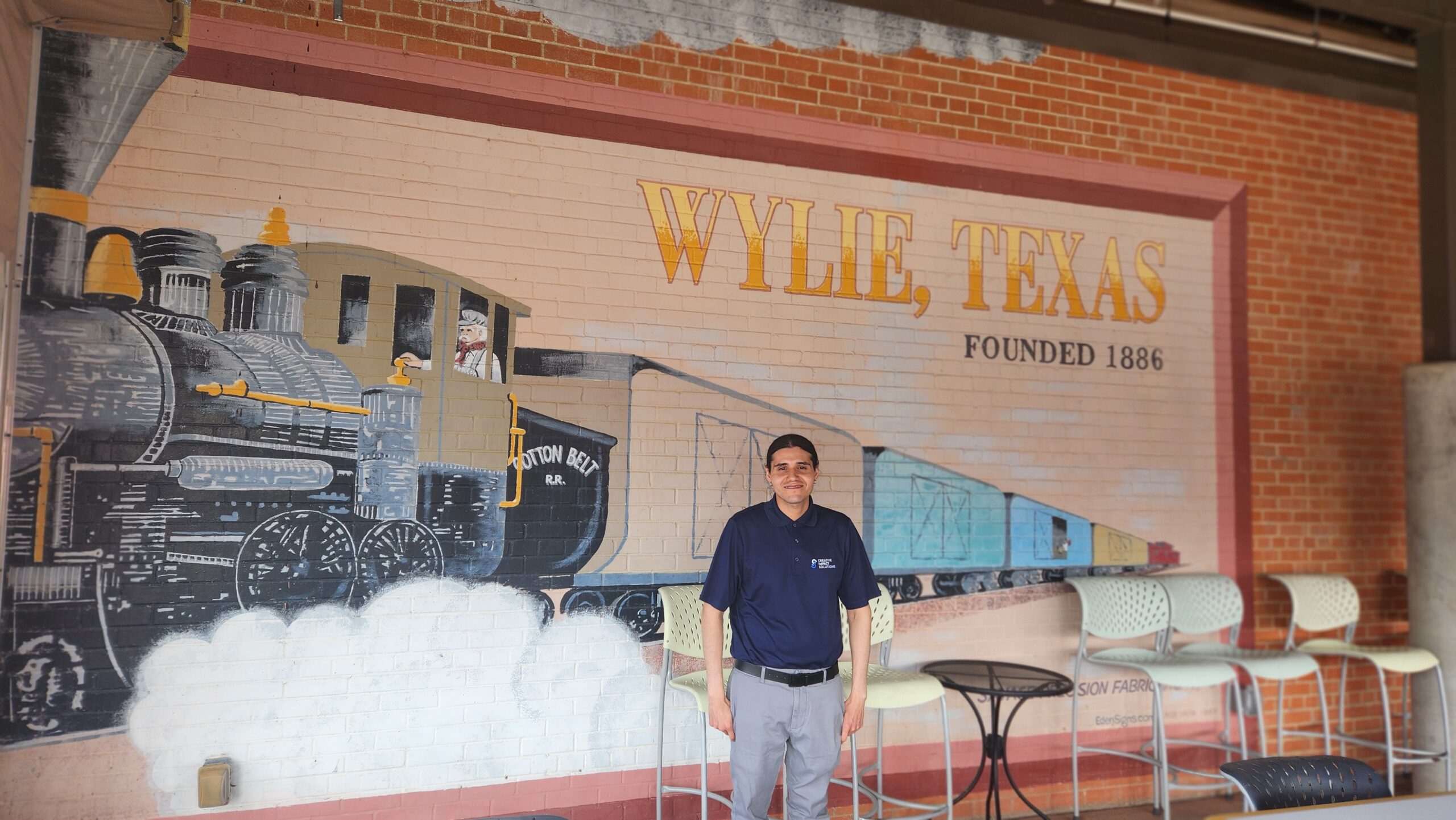
For Creative Impact Solutions, staying involved in the local business and nonprofit community is part of how we continue learning, improving, and building better solutions.
The future of digital growth is not simply about having more technology.
It is about connecting people, strategy, and technology in ways that make organizations stronger, more efficient, and better prepared for what comes next.